PURPOSE OF
WISDOM FOR SOCIETY
FOUNDATION

Computational & Logical Thinking skills
are growing in demand
In less than 20 years, the landscape of sought-after, progressive, and stable careers has shifted dramatically. It’s no longer solely about professions like doctors, nurses, engineers, or accountants. Instead, it’s about a diverse array of careers that demand coding skills, which have become indispensable in the digital age of the 21st century. This era of rapid technological advancement, propelled by the wave of technology disruption, is reshaping lifestyles and behaviors worldwide.
New and previously unheard-of professions are emerging at an increasing rate. Whether it’s user experience designers, sound engineers, video game engineers, or startup entrepreneurs who must apply coding knowledge and a variety of skills to stay relevant in the rapidly evolving digital world. The impact of artificial intelligence, automation systems, eCommerce, and cloud computing is evident, making tasks in today’s era more efficient and precise in a remarkably short time. Thus, the demand for coding skills in various professions is steadily increasing, becoming unavoidable.
The Coding Skills Gap
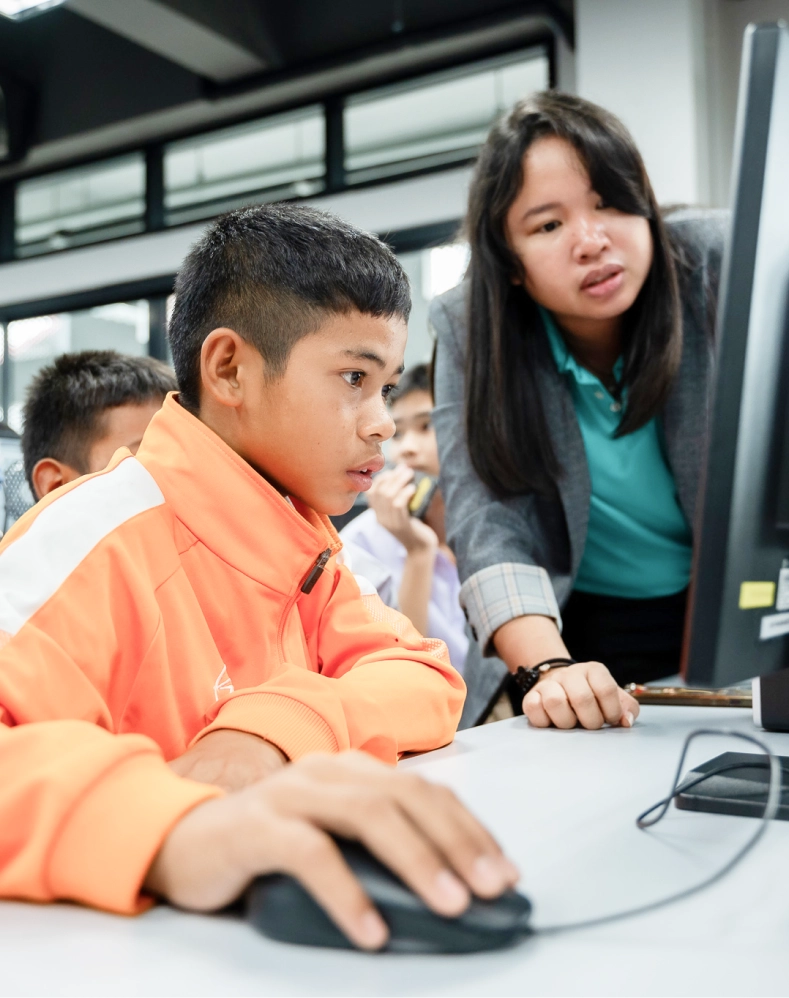
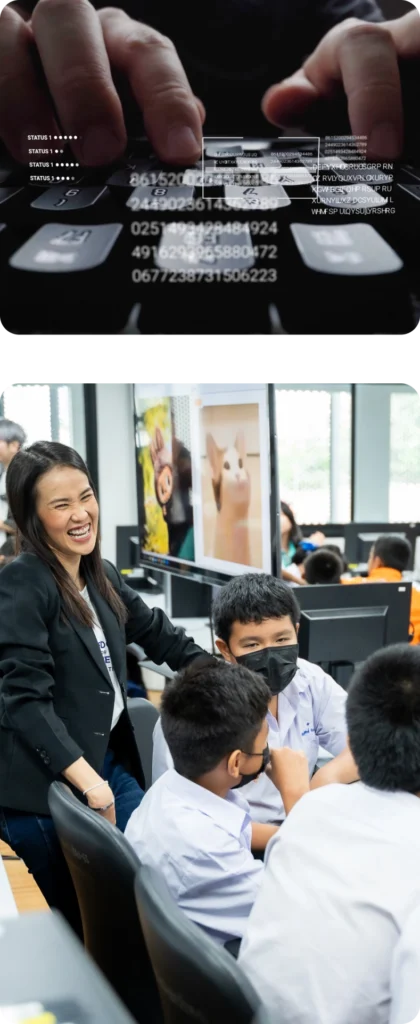
One crucial factor in a country’s development is having a skilled workforce in coding. However, it’s regrettable that Thailand still lacks quality personnel capable of innovating and adapting to the growing demands of this field. Despite the increasing number of graduates each year, many end up working in unrelated fields. When compared to other countries, it’s evident that Thailand is missing out on significant competitive opportunities. This is primarily due to issues such as qualification mismatches, where educational qualifications don’t align with job requirements, and a gap between the fields of study and actual occupations. Additionally, there’s a discrepancy between labor skills and job requirements.
Despite efforts to integrate coding into the curriculum since 2018, there’s still a lack of mechanisms to ensure that the curriculum remains relevant globally. This includes ensuring the quality of teachers in effectively transmitting knowledge to students. This readiness encompasses teaching materials, teacher networks for sharing knowledge, principles, and policies promoting coding education in the country, and aligning curriculum with international standards like PISA and O-NET. Without concerted efforts to develop the workforce, particularly among students and youth, Thailand risks missing out on long-term economic opportunities.
Elevating Computing Science in Thailand's Educational System
The Wisdom for Society Foundation is committed to advancing education in coding through various activities and projects to ensure that teachers can apply and impart the knowledge they receive to students. The foundation hopes that in the future, students who learn from teachers participating in the projects will use their skills to solve problems or advance in real-life work settings, driving economic growth and creating sustainable long-term impacts. The “Code Seeder: Cultivating a New Generation of Teachers to Nurture Thai Children’s Dreams for the Future” project is the foundation’s first initiative aimed at training and developing coding knowledge and skills among teachers, serving as a starting point for promoting the sharing of knowledge, skills, and experiences to build a skilled workforce for the 21st century to develop society and Thailand further.
Furthermore, the foundation recognizes that teachers are the most crucial workforce for educational development as they transmit knowledge to students. Therefore, the foundation has developed training courses and teaching models aligned with international standards and adapted to the Thai education context. This enables teachers participating in the project to teach Computing Science at the fourth to sixth-grade primary school and the first to third-year secondary school levels. The main reason the foundation focuses on these two grade ranges is that it has found that grade 4 is the first upper primary grade where students are ready with skills related to learning coding and have sufficient English proficiency to understand teaching materials primarily in English. Meanwhile, grade 7 is the first lower secondary grade where students are similarly prepared and motivated to learn before choosing their study plans and taking admissions exams at the upper secondary level.